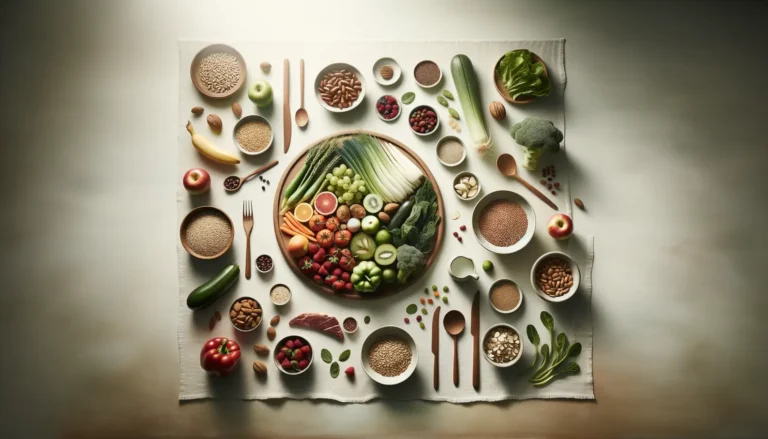
The United States has introduced groundbreaking dietary guidelines that emphasize real, nutrient-dense foods to tackle the growing health crisis. This change represents a major shift from previous approaches centered on calories and nutrients alone.
These new guidelines aim to improve public health by promoting whole foods such as proteins, full-fat dairy, fruits, and vegetables. The focus is on foods that support metabolic health and reduce chronic disease risks.
By targeting ultraprocessed foods and added sugars, the guidelines prioritize quality over quantity, encouraging Americans to adopt sustainable, healthier eating habits for long-term benefits.
Background and Context
The United States released the Dietary Guidelines for Americans, 2025–2030, marking the biggest federal nutrition policy reset in decades. Led by HHS and USDA leaders, these guidelines focus on real, whole foods and nutrient density.
This policy shift aims to combat the worsening public health crisis by promoting dietary patterns centered on nutrient quality and long-term health. It moves away from previous models like MyPlate toward more comprehensive food-based advice.
By emphasizing whole foods over processed items, the new guidelines seek to support healthier eating habits that can reduce chronic disease risk and improve overall population health.
Obesity and Chronic Disease Epidemic in the US
The US faces a severe obesity epidemic, with adult rates around 37% in 2025, and even higher when considering body fat distribution, affecting most adults especially seniors.
Chronic diseases such as type 2 diabetes have reached record levels, impacting about 13.8% of the population and placing immense strain on healthcare resources and society.
These health crises are closely tied to unhealthy diets dominated by ultraprocessed foods, refined carbohydrates, and added sugars, underscoring the need for improved nutrition guidance.
Criticisms of Previous Dietary Guidelines and Shift in Focus
Past dietary guidelines faced criticism for industry conflicts, inconsistent science, and a heavy focus on carbohydrates and low-fat recommendations, often ignoring metabolic benefits of low-carb diets.
The 2025–2030 guidelines represent a major shift, moving away from nutrient-by-nutrient prescriptions toward whole-food-based recommendations focused on proteins, fats, fruits, vegetables, and whole grains.
This altered focus addresses previous shortcomings and calls for higher dietary quality by emphasizing real foods that support better metabolic health and chronic disease prevention.
Key Changes in the 2025-2030 Dietary Guidelines
The 2025-2030 guidelines overhaul federal nutrition advice by focusing on real, whole foods and nutrient density rather than isolated nutrients or calorie counting.
This update promotes a holistic dietary approach, encouraging Americans to adopt eating patterns rich in natural, nutrient-dense foods to improve long-term health outcomes.
It shifts from earlier models like MyPlate, returning to food-based guidance that prioritizes quality and diversity of whole foods over processed options.
Emphasis on Whole, Nutrient-Dense Foods: Protein, Full-Fat Dairy, Vegetables, Fruits
The new guidelines highlight the benefits of consuming nutrient-rich whole foods, including high-quality proteins and full-fat dairy, for better metabolic health.
Vegetables and fruits remain central, praised for their vitamins, minerals, and fiber, supporting overall nutrition and disease prevention efforts.
By embracing full-fat dairy and diverse protein sources, the guidelines acknowledge their roles in satiety and nutrient absorption essential for robust health.
Reduction of Ultraprocessed Foods, Refined Carbs, and Added Sugars
A key recommendation is to markedly reduce intake of ultraprocessed foods linked to obesity and chronic disease due to poor nutrient profiles and harmful additives.
The guidelines advise cutting back on refined carbohydrates and added sugars, which contribute to metabolic dysfunction and escalate risks for diabetes and heart disease.
This focus on limiting unhealthy food components aims to foster healthier eating patterns that improve population-wide health and lower chronic illness rates.
Reactions and Quotes from Key Figures and Experts
The announcement of the 2025-2030 Dietary Guidelines has generated significant attention, highlighting a pivotal moment in US nutrition policy.
Leaders and experts alike view the renewed focus on real, nutrient-dense foods as a crucial step in addressing the nation’s chronic health issues.
Responses emphasize optimism that the guidelines will drive meaningful change in consumer behavior and public health outcomes.
Statements from HHS Secretary Robert F. Kennedy Jr. and USDA Secretary Brooke Rollins
HHS Secretary Robert F. Kennedy Jr. praised the guidelines for prioritizing whole foods and nutrient density, calling it a “transformative move” against diet-related diseases.
USDA Secretary Brooke Rollins highlighted the guidelines’ shift away from processed foods, stressing their commitment to promoting health through better eating habits.
Both officials underscored collaboration between agencies to implement these recommendations and improve national health metrics.
Expert Opinions and Industry Stakeholder Responses
Nutrition experts commend the departure from nutrient-isolation to food-based advice, noting this reflects current science and practical eating patterns.
Some industry stakeholders express cautious optimism, recognizing the challenge but also opportunity in reformulating products to meet new standards.
Critics urge ongoing transparency and underscore the importance of supporting farmers and manufacturers adapting to these significant guideline changes.
Impacts and Future Directions
The 2025-2030 guidelines signal a major shift that could reshape public health, nutrition education, and food policy for years to come.
By emphasizing real foods and nutrient density, these guidelines aim to lower chronic disease prevalence and enhance overall population health equity.
The renewed focus drives momentum toward systemic changes in how Americans eat, how food is produced, and how nutrition is promoted nationwide.
Effects on Consumers, Farmers, Schools, and Federal Nutrition Programs
Consumers may experience improved health outcomes by adopting whole-food diets recommended in federal programs and nutrition education.
Farmers could shift production toward more diverse, nutrient-rich crops and livestock to meet demand aligned with new guidelines.
Schools and federal nutrition programs will adapt menus and policies to better support dietary quality and chronic disease prevention efforts.
Potential Industry Adjustments and Policy Implications
Food manufacturers might reformulate products to reduce ultraprocessed ingredients while enhancing natural nutrient profiles.
Policy makers may consider stronger regulations and incentives to support food system changes aligned with the updated nutrition goals.
These shifts encourage collaboration across sectors to promote healthier food environments and sustainable dietary practices.