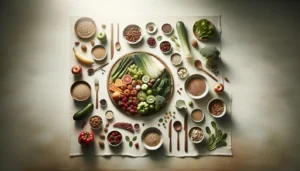
The Trump administration has launched a major revision of the U.S. dietary guidelines, emphasizing natural, whole foods over processed alternatives. This shift represents a bold new direction in public health policy.
Highlighting nutrient-dense foods without artificial additives, the updated guidelines aim to combat rising diet-related diseases and promote sustainable, wholesome eating habits nationwide.
By prioritizing real food sources, these guidelines seek to improve overall health outcomes while supporting farmers and enhancing federal nutrition programs with evidence-based recommendations.
Introduction to the 2025-2030 Dietary Guidelines
The 2025-2030 Dietary Guidelines for Americans were announced on January 7, 2026, marking a historic reset in U.S. nutrition policy. The focus is on real, whole foods rather than processed items.
Health Secretary Robert F. Kennedy Jr. and USDA Secretary Brooke Rollins led this bold shift, emphasizing foods recognizable from nature without added sugars or artificial ingredients.
This new approach under the Trump administration seeks to promote nutrient-dense foods, moving away from industrial oils, preservatives, and artificial flavors for better public health.
Overview of the January 7, 2026 release and key figures
The guidelines were unveiled by Kennedy and Rollins as part of a campaign to “Make America Healthy Again,” addressing rising health challenges nationwide.
Following two postponements, the release included a temporary grace period for SNAP retailers to adjust to new nutrition standards and food restrictions.
Both leaders emphasized common-sense, food-based nutrition focused on real foods as a foundation for improving public health and supporting American farmers.
Core message emphasizing whole, nutrient-dense foods
The guidelines prioritize consumption of whole proteins, full-fat dairy without added sugars, and daily servings of unprocessed vegetables and fruits.
Healthy fats are encouraged from meats, seafood, eggs, nuts, seeds, olives, and avocados, while whole grains replace refined carbohydrates.
The overall message is to reduce highly processed foods that contain added sugars, excess sodium, unhealthy fats, and artificial additives for better health.
Background and Policy Context
The 2025-2030 Dietary Guidelines mark a pivotal change in U.S. nutrition, aligning with broader health initiatives to combat chronic illnesses linked to diet.
This overhaul comes as federal programs seek to better serve Americans by promoting diets rooted in natural, nutrient-dense foods rather than processed convenience items.
The policy shift also supports agricultural diversity, encouraging farmers to produce whole food crops instead of ingredients used in ultra-processed products.
Role of the guidelines in federal nutrition programs like SNAP and school meals
The guidelines provide a foundation for food standards in programs like SNAP, school meals, and WIC, guiding healthier purchases and meal planning.
A grace period for SNAP retailers allows gradual adaptation, ensuring access to healthier, whole foods for low-income families without sudden disruption.
Revised school meal requirements emphasize fresh fruits, vegetables, and whole grains to improve children’s nutrition and support lifelong healthy habits.
Shift from prior guidelines focusing on processed foods to real foods
Previous guidelines often emphasized reduction of fats and simple carbohydrates, unintentionally promoting processed food products formulated to fit these rules.
The new guidelines pivot sharply, prioritizing real, recognizable foods and rejecting ultra-processed items laden with additives and refined sugars.
This approach aims to restore trust in dietary advice by endorsing natural eating patterns that align with human physiology and traditional food practices.
Key Recommendations and Dietary Priorities
The 2025-2030 guidelines highlight nutrient-rich whole foods emphasizing quality protein, fiber, and minimal processing for improved overall health outcomes.
The focus is on balanced meals including abundant vegetables, fruits, whole grains, and healthy fats, steering away from artificial and highly processed items.
This comprehensive approach supports longevity and chronic disease prevention through diet, markedly different from past low-fat, low-carb trends.
Protein at every meal, full-fat dairy without added sugars, and daily vegetables and fruits
Each meal should include quality protein sources such as meats, seafood, eggs, and plant-based options to ensure sufficient nutrient intake daily.
Full-fat dairy is encouraged, provided it contains no added sugars, supporting satiety and nutrient absorption without unnecessary additives.
Daily servings of unprocessed vegetables and fruits are vital, supplying vitamins, minerals, and fiber essential for digestive and immune health.
Healthy fats sources and whole grains over refined carbohydrates
Healthy fats from nuts, seeds, olives, avocados, and animal sources are prioritized to enhance heart and brain health naturally.
The guidelines recommend whole grains instead of refined ones to boost fiber intake and stabilize blood sugar, reducing diet-related chronic disease risks.
This shift from refined carbs and processed fats reinforces a nutrient-dense eating pattern aligned with traditional diets and modern science.
Impacts, Expert Analysis, and Calls to Action
The updated dietary guidelines set a clear course for healthier eating nationwide, promising long-term benefits for public health and chronic disease reduction.
These changes encourage consumers and institutions to embrace natural, nutrient-dense foods, fostering a culture where real food supports well-being.
Such bold policy shifts highlight the need for active participation by all sectors to transform eating habits and food systems comprehensively.
Implications for consumers, farmers, and federal nutrition programs including SNAP grace period
Consumers can expect improved access to wholesome foods, while farmers are encouraged to grow crops that align with new nutrition priorities.
The SNAP grace period offers retailers and beneficiaries time to adjust, ensuring consistent availability of healthier options without sudden disruption.
Federal programs like school meals are expected to reflect these guidelines, fostering healthier eating habits from childhood onward across the U.S.
Expert reactions and guidance on adopting the new guidelines for healthier eating
Nutrition experts broadly praise the shift toward whole foods, noting it aligns with evidence linking nutrient-rich diets to better health outcomes.
They advise individuals to focus on balanced meals rich in real proteins, vegetables, fruits, whole grains, and healthy fats for sustained wellness.
Experts emphasize gradual incorporation of these guidelines into daily life to maximize adherence and long-term health benefits effectively.